Understanding Radon Mitigation in York, PA: What Homeowners Should Know
Why Radon Is a Concern for York Homeowners
Radon is a naturally occurring radioactive gas that comes from the breakdown of uranium in soil, rock, and water. It is colorless, odorless, and tasteless, which makes it impossible to detect without proper testing. When radon seeps into a home through cracks in the foundation, gaps around pipes, or other openings, it can accumulate to levels that pose a health risk over time. In York County, Pennsylvania, the geology of the region means that elevated radon levels are more common than many people realize. Understanding what radon is and how it behaves indoors is the first step toward protecting your household.
The U.S. Environmental Protection Agency has long identified radon as a leading cause of lung cancer among nonsmokers. That reality has prompted many communities to take the issue seriously. For homeowners in York, addressing radon is not just about peace of mind - it is about making an informed decision based on test results and professional guidance. The good news is that radon problems are solvable, and there are established methods to reduce indoor levels effectively.
Testing Is the Only Way to Know
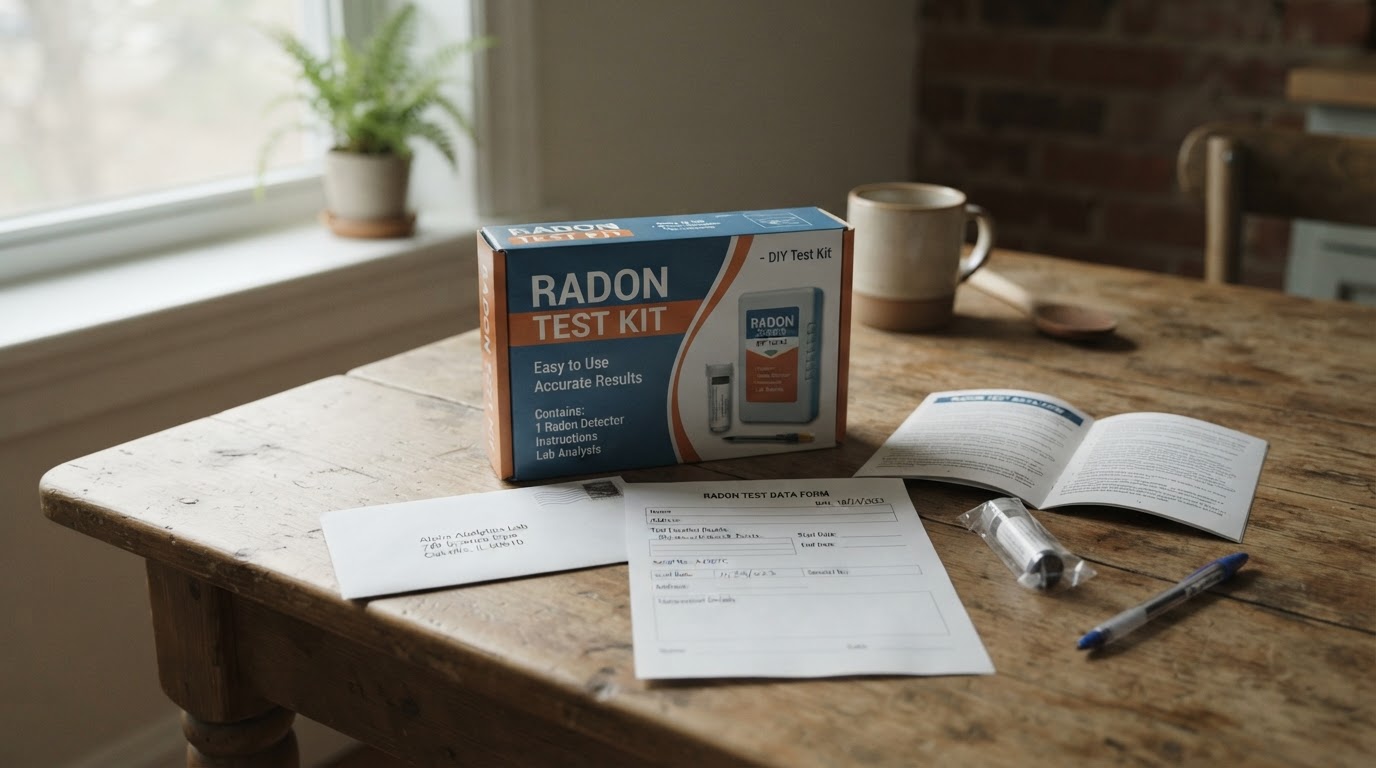
Because radon is invisible and has no immediate physical effects, the only reliable way to know if your home has a problem is to test for it. Short-term tests, which typically last between two and seven days, give a quick snapshot of radon levels. Long-term tests, lasting several months, provide a more accurate average because radon concentrations can vary with weather, season, and how the home is used. Both types of test kits are available through local health departments, certified laboratories, and some hardware stores.
When testing, it is important to follow the instructions carefully. The test device should be placed in the lowest livable level of the home - usually the basement or first floor - away from drafts, heat sources, and exterior walls. Keep windows and doors closed as much as possible during the test period, except for normal entry and exit. After the test, you send the device to a lab for analysis. Results are reported in picocuries per liter of air, and the EPA recommends taking action if the level is 4 pCi/L or higher. Even levels between 2 and 4 pCi/L may warrant consideration of a mitigation system, especially if someone in the home spends a lot of time in the basement.
How Mitigation Systems Work
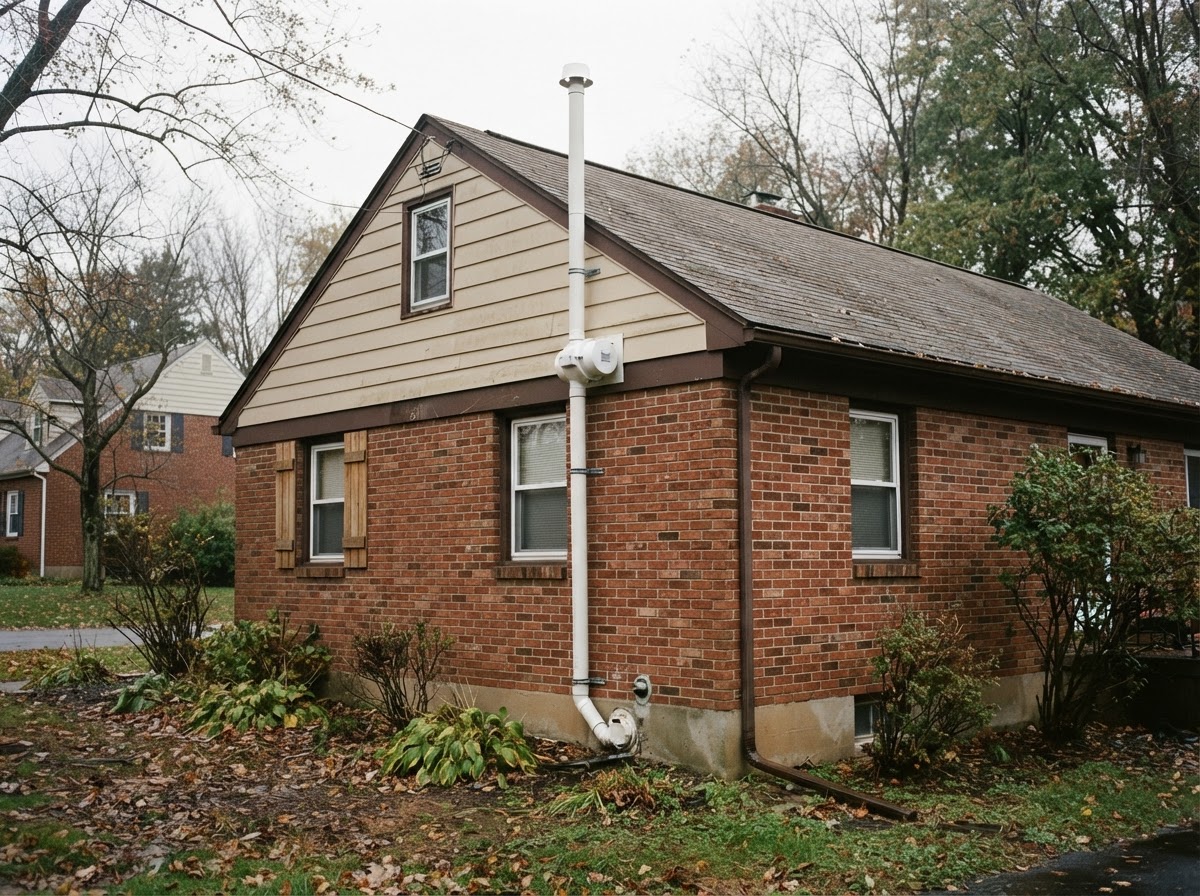
If test results show elevated radon, the next step is to install a mitigation system. The most common and effective method for homes in this area is sub-slab depressurization. This technique works by creating a low-pressure zone under the concrete slab of the basement floor, which prevents radon from being pulled into the house. A pipe is inserted through the slab into the gravel layer beneath, and a radon fan is attached to that pipe. The fan draws the gas from below the slab and vents it safely above the roofline, where it disperses harmlessly into the outside air.
A properly installed system includes a manometer, a small gauge that shows whether the fan is running and maintaining the correct vacuum. Homeowners can check the manometer periodically to confirm the system is working. The fan runs continuously, though it uses about as much electricity as a small light bulb. Over time, the system requires little maintenance beyond occasional checks and ensuring that the vent pipe stays clear of debris or snow.
Other mitigation methods exist, such as sealing cracks and openings, improving ventilation in crawl spaces, or installing a heat recovery ventilator, but sub-slab depressurization remains the standard for most homes with a concrete foundation. A certified professional can evaluate your specific house layout, soil conditions, and existing construction to recommend the best approach.
Choosing a Qualified Professional
Radon mitigation is a technical process that demands careful design and installation. A mistake in placement or sizing of the fan can render the system ineffective, or worse, increase indoor radon levels by drawing more gas into the house. That is why hiring a certified professional is strongly recommended. Look for someone who holds a certification from a nationally recognized program, such as the National Radon Proficiency Program or the National Radon Safety Board. These certifications require ongoing education and adherence to industry standards.
When you contact a mitigation contractor, ask about their experience with homes similar to yours. A good professional will conduct a thorough inspection, review your test results, and explain the proposed system in plain language. They should also provide a written estimate and a clear timeline for the work. After installation, a post-mitigation test is essential to confirm that the system is reducing radon levels to an acceptable range. Reputable contractors include this follow-up testing as part of the service.
For homeowners searching for radon mitigation York PA, the local market includes several qualified firms that understand the regional geology and common home construction styles. It pays to compare a few quotes and ask about the specific components they plan to use. A well-designed system should last for many years with minimal upkeep.
Cost Considerations and Long-Term Value
While exact figures vary based on the home's layout, soil conditions, and the complexity of the installation, radon mitigation is generally a one-time expense with lasting benefits. The cost typically covers the fan, piping, electrical work, and the post-mitigation test. Some homeowners also choose to include sealing of major entry points as part of the project. Compared to the potential health costs of long-term exposure, the investment is modest.
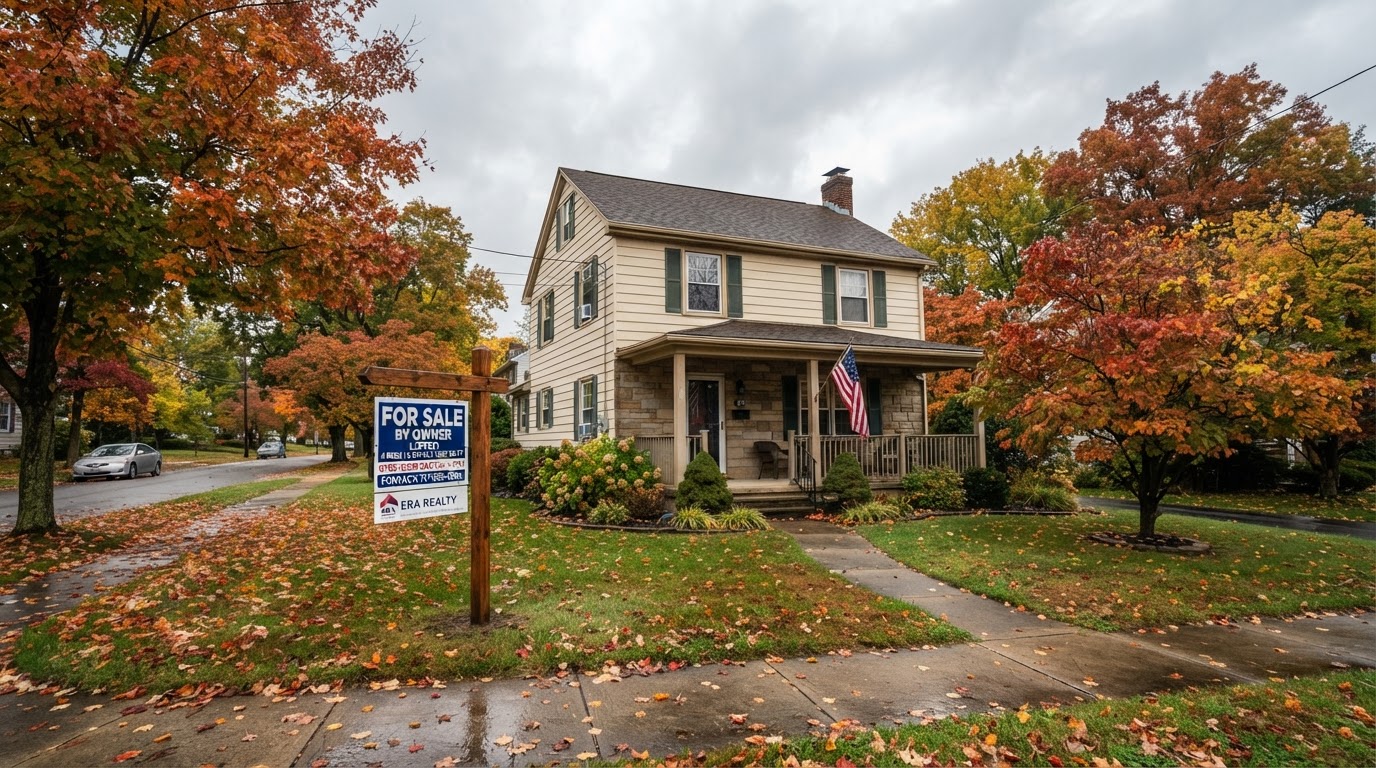
Many real estate transactions now include radon testing as a contingency. If you are selling a home, having a mitigation system already in place can be a selling point. Buyers appreciate knowing that the issue has been addressed professionally. On the other hand, if you are buying a home and the test reveals elevated radon, you can negotiate for the seller to install a system before closing. Either way, the cost of mitigation is far lower than the cost of ignoring the problem.
Maintenance and Peace of Mind
Once a system is installed, it requires very little attention. Check the manometer monthly to make sure the fan is running. If the gauge shows a loss of vacuum, it could mean a blockage in the pipe, a fan failure, or a break in the system. Most fans have a life expectancy of several years, and replacement is straightforward. Keeping the vent pipe clear of leaves, snow, or bird nests is also important. Some homeowners label the vent pipe clearly so that anyone working on the roof or in the yard knows not to block or damage it.
Periodic retesting every two years or after major renovations is a good practice. Changes to the home's foundation, such as adding an addition or finishing a basement, can alter radon entry points. A simple test can confirm that the system is still performing as intended. Many homeowners find that the peace of mind from knowing their indoor air is safe is well worth the small ongoing effort.
Final Thoughts
Radon is a serious but manageable issue. For homeowners in York County, the combination of local geology and housing stock means that testing should be on every home maintenance checklist. If the results call for action, a professionally installed mitigation system can reduce levels dramatically. The key steps are straightforward: test your home, understand the results, choose a certified professional, and maintain the system once it is in place. Taking these steps protects your family's health and preserves the value of your home.
Whether you are a long-time resident or new to the area, knowing what to expect from the process makes the decision easier. Radon mitigation York PA is a proven solution that many local homeowners have already put to use. With the right information and a qualified partner, you can address radon with confidence and move on to enjoying your home.